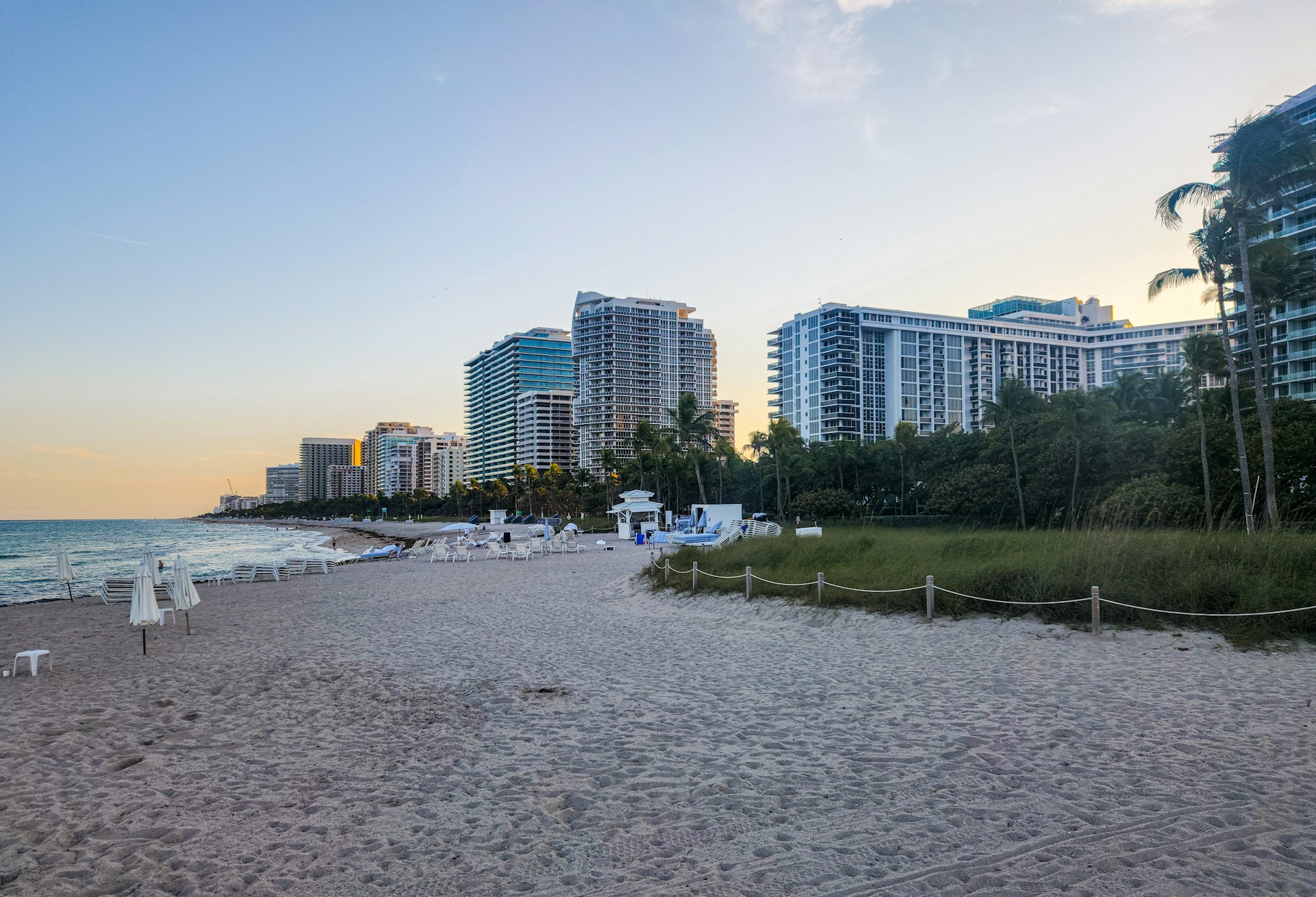
Living in South Florida means enjoying tropical sunshine, warm ocean breezes, and beautiful coastal views year round. However, that constant proximity to the ocean comes with a hidden cost for property owners. Ocean breezes carry microscopic salt particles that settle onto residential homes, commercial buildings, and high-rise structures daily.
While salt air feels refreshing, it acts as a silent, corrosive force on building exteriors. Understanding how airborne salt degrades property materials allows you to protect your investment before minor wear turns into severe structural damage.
1. Accelerated Corrosion of Metal Features
The primary component of ocean spray is sodium chloride, a compound that drastically accelerates the oxidation process. When salt particles mix with South Florida’s high humidity and warm temperatures, the chemical reaction speeds up exponentially.
Metal fixtures and structural components are the first to suffer. Window frames, metal roofing, outdoor railings, air conditioning units, structural rebar, and light fixtures quickly develop rust and pitting. Over time, salt penetration can weaken structural steel fasteners and aluminum framing, compromising the safety and stability of the entire building.
2. Degradation of Stucco and Concrete
Stucco and concrete are standard building materials throughout South Florida due to their durability against high winds. However, both materials are naturally porous, making them particularly vulnerable to salt air intrusion.
When airborne salt settles onto stucco or concrete walls, moisture carries the dissolved salt deep into microscopic pores. As the water evaporates during hot, sunny afternoons, the salt crystallizes within the material. This process, known as efflorescence, creates internal pressure that causes surface paint to bubble, crack, and peel. Over time, repeated salt crystallization leads to spalling, where chunks of concrete and stucco fracture and break away entirely.
3. Deterioration of Exterior Paints and Sealants
Paint and exterior coatings serve as your property’s first line of defense against the elements. Unfortunately, coastal salt deposits continuously breakdown protective paint layers.
Salt crystals act as a mild abrasive on exterior finishes, wearing away gloss, fading colors, and breaking down protective topcoats. Once the paint film breaks down, moisture and salt penetrate directly into underlying building materials, allowing mold, mildew, and algae to thrive in the humid South Florida environment.
4. Etching and Clouding of Window Glass
Salt air does not stop at walls and metals; it also impacts glass surfaces. Marine salt deposits build up quickly on exterior window glass, forming a stubborn, hazy film.
When salt residue combines with morning dew or rain, it creates an alkaline solution that can slowly etch into the glass surface over time. Left uncleaned, this chemical reaction creates permanent staining, calcification, and pitting that standard glass cleaners cannot remove, eventually requiring costly glass replacement.
Protect Your Coastal Property with Regular Maintenance
You cannot change South Florida’s coastal climate, but you can prevent salt air from destroying your building exterior. The most effective defense against salt degradation is routine, professional exterior cleaning. Gentle soft washing removes salt buildup, preserves paint integrity, and protects delicate stucco and glass surfaces without causing pressure damage.
At South Florida Drone Cleaning, we utilize state-of-the-art soft washing drone technology to efficiently clean multi-story buildings, roofs, and hard-to-reach commercial exteriors across South Florida. Contact our team today to schedule a specialized exterior wash and safeguard your property against coastal wear.