When it comes to maintaining the exterior of a home or commercial property, keeping surfaces clean is about more than just curb appeal. Regular maintenance prevents the buildup of mold, mildew, and algae, which can cause long term structural damage if left unchecked. For years, the gold standard for this task was traditional pressure washing. However, the emergence of drone technology has introduced a new contender to the industry. To decide which method is truly better, property owners must evaluate the differences in safety, efficiency, and the quality of the final result.
Understanding the Traditional Approach
Traditional pressure washing relies on heavy machinery, long hoses, and often, ladders or scaffolding. A technician physically navigates the perimeter of the building, manually directing a high pressure stream of water at the siding, roof, or walkways. This method is highly effective for ground level surfaces like driveways and sidewalks where the operator has firm footing and direct control.
The challenge with traditional pressure washing arises when the job moves upward. To reach the second story or the peak of a roof, a technician must either use a ladder or high reaching extensions. Working from a ladder while managing a high pressure hose is inherently dangerous. There is also the risk of “operator error,” where the water pressure is set too high for a specific material, leading to chipped paint, damaged window seals, or cracked shingles.
The Innovation of Drone Cleaning
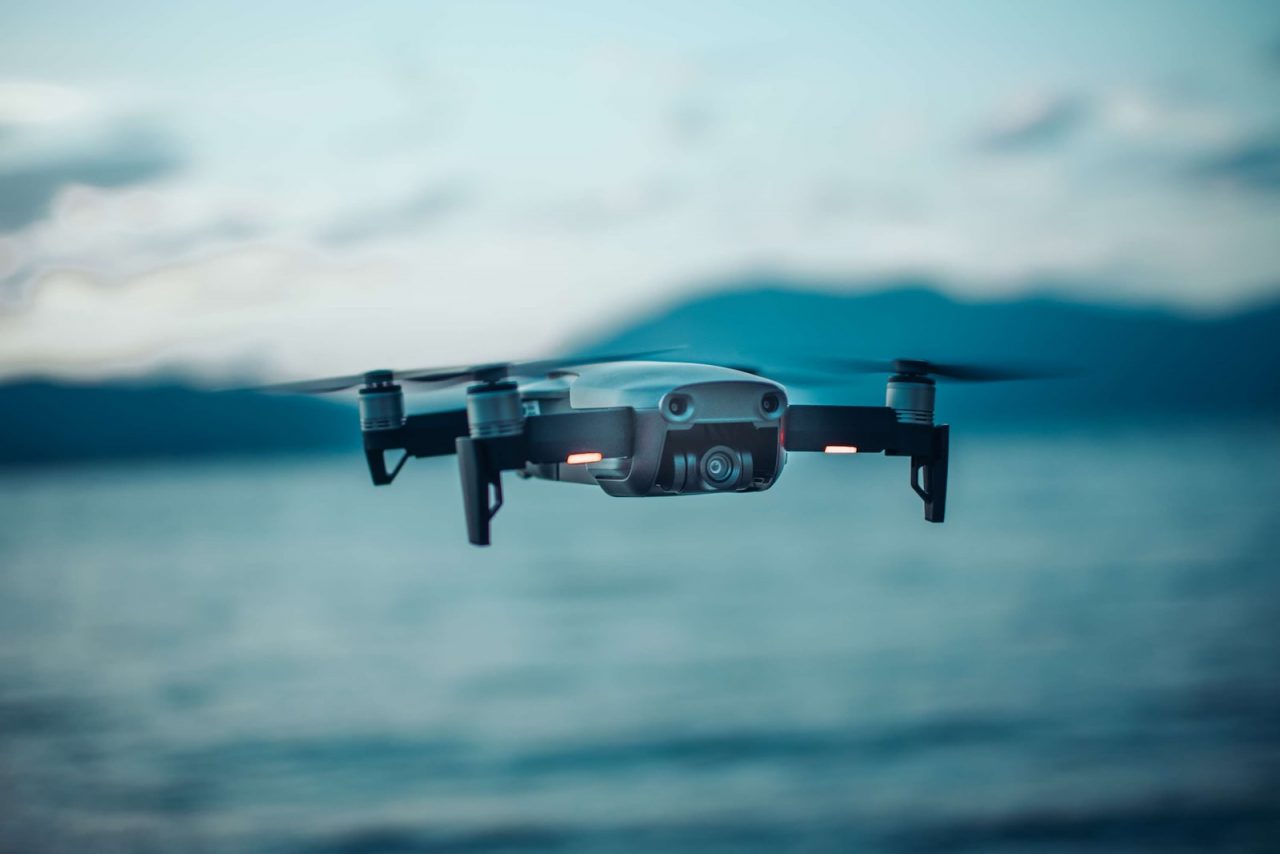
Drone cleaning represents a significant leap forward in property maintenance technology. Instead of a person climbing a ladder, a specialized unmanned aerial vehicle is used to deliver the cleaning solution. The drone is tethered to a professional grade ground station that provides a continuous supply of water and cleaning agents. A pilot operates the drone from the safety of the ground, using high definition cameras to ensure every inch of the building is covered.
This method completely eliminates the safety risks associated with heights. There is no need for scaffolding, heavy lifts, or precarious ladder work. For large commercial buildings or multi story residential homes, the safety benefits alone often make drone cleaning the superior choice.
Drone Cleaning vs Traditional Pressure Washing: Speed and Efficiency Comparisons
In terms of pure efficiency, drone technology usually outperforms traditional methods, especially on complex projects. A traditional crew may spend hours setting up ladders, moving equipment, and repositioning themselves to reach difficult angles. A drone can be deployed in minutes. Because the drone can fly 360 degrees around a structure and hover effortlessly at any height, it can complete a full building wash in a fraction of the time it would take a manual crew.
For business owners, this means less downtime and fewer disruptions to customers. For homeowners, it means the cleaning crew is off the property much faster, allowing you to return to your normal routine without the noise and intrusion of a day long project.
Precision and Surface Protection
One of the biggest advantages of drone cleaning is the ability to utilize “soft washing” techniques with extreme precision. While some traditional pressure washers rely on sheer force to remove dirt, drones often use specialized eco-friendly solutions that break down grime at the molecular level. This is then rinsed away with low pressure water. This approach is much safer for delicate surfaces like cedar siding, stucco, and asphalt shingles.
Because the drone pilot has a bird’s eye view through the onboard camera, they can spot hidden debris in gutters or on roof valleys that a technician standing on the ground or a ladder might miss. This level of visibility ensures a more thorough clean.
Drone Cleaning vs Traditional Pressure Washing: Making the Final Choice
While traditional pressure washing still has its place for simple ground level tasks, drone cleaning is increasingly becoming the preferred option for modern property owners. It offers a safer, faster, and more technologically advanced way to maintain a building. By choosing drone technology, you are investing in a solution that prioritizes the safety of the workers and the long term integrity of your property. For those who value innovation and efficiency, the drone is clearly the future of exterior cleaning.